
Baltimore Action Legal Team
2025 Impact Report
Overview
In 2025, BALT’s work was defined by resilience, reflection, and strategic focus. Amid funding and capacity constraints, the organization sustained critical services, deepened legal advocacy, expanded community engagement, and re-centered its work in abolitionist principles while laying the foundation for sustainable, community-led models of justice.
Our Belief
BALT believes in a Baltimore where Black people use their power to determine justice and safety in their communities. Our work is rooted in Community Lawyering, a practice that utilizes the legal knowledge of attorneys to create change in legal systems and outcomes. Our work ensures prompt, compassionate direct services including warrant recall, expungement and arrest support to remove the legal barriers that stand between community members and the legal system.
Key Achievements
Sustaining Core Services: Maintained and restructured the Arrest Support Hotline, bail assistance, and direct legal services ensuring support during uncertainty.
Direct Legal Impact: Served 108 community members, including 89 expungements and 20 warrant recalls and helped 11 clients avoid pretrial incarceration.
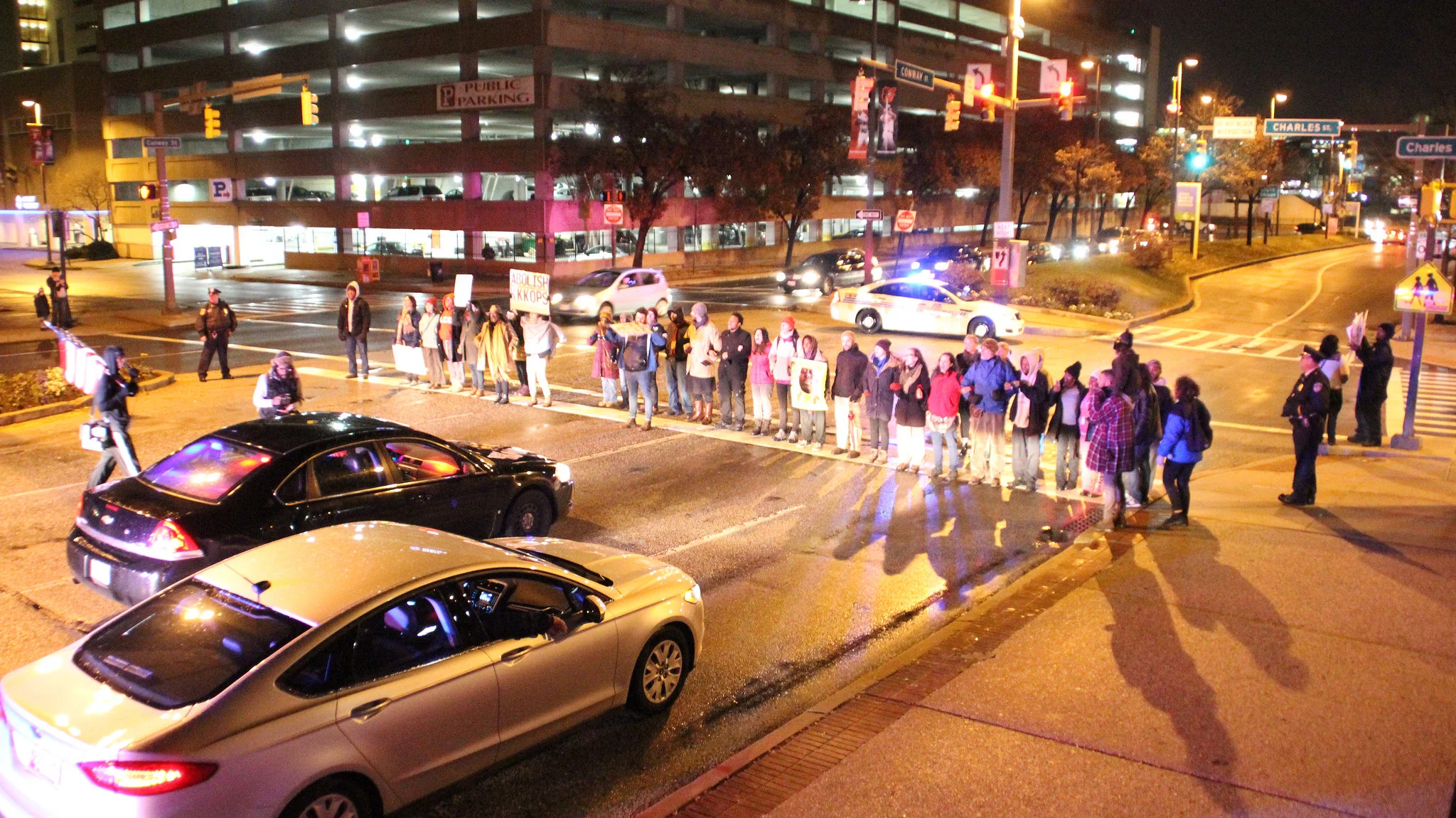
Know Your Rights Expansion: Produced and widely distributed a “Know Your Rights” zine, featured in local media and requested by partners to equip residents with legal strategies during police encounters and protests.
10-Year Reflection & Campaign: Marked a decade since BALT’s founding during the Baltimore Uprising, raising $10,000 while reaffirming abolitionist roots and community-centered values.
Strategic Partnerships: Strengthened collaborations across legal, advocacy, and grassroots organizations, including targeted outreach to trans community members through Safe Haven.
Expanded Legal Advocacy: Advanced litigation on police accountability, transparency and reform while adapting strategies to overcome judicial resistance.
Community Education & Engagement: Bolstered outreach through events, social media, and direct support; 50–70% of engagement now comes from new audiences beyond existing networks.
Surveillance Education: Hosted a workshop on electronic monitoring, strengthening advocacy against carceral surveillance.
Community Impact
Empowered residents with accessible legal knowledge, fostering safety and self-advocacy.
Engaged students at McDonnaugh through partnership with its Law and Literature class.
Removed the barriers that an unexpunged record poses to community members, expanding access to jobs, housing and community support.
Initiated a shift toward community-led service models, promoting long-term sustainability and self advocacy in the community.
Engaged law students in our Summer Internship Program to train them in the principles of Movement Lawyering, better equipping them to serve the community they practice in.
Key Initiatives & Strategic Focus
Women’s Prerelease Advocacy: Continued legal efforts to establish a new prerelease center and expand lower-security housing access.
Community-Led Rapid Response: Advanced plans to transition the Arrest Support Hotline and bail support into community-managed, BALT-supported models.
Legal Education: Strengthened programming on criminal justice, immigration, civil rights, and surveillance through the utilization of creative tools like zines, documentary screenings and workshops.
Cultural & Movement-Based Engagement: Integrated art, legal advocacy, and activism through collaborations with local artists and organizers.
Challenges & Lessons Learned
Funding & Capacity Constraints: Prioritization of sustainability, efficiency, and direct services.
Outreach Refinement: Targeted efforts with trans communities revealed the importance of adapting engagement strategies for broader reach.
Key Insight: Lasting impact depends on trauma-informed, community-centered, and community-owned approaches that can adapt to changing resources.
Team & Organizational Growth
Reestablished a culture of strategic decision-making and adaptability.
Leveraged partnerships to expand capacity.
Maintained service quality by prioritizing focus and declining overextension.

Looking Ahead
Transition the Arrest Support Hotline into a fully community-run, BALT-supported service.
Expand and redesign legal education programs (e.g., “Lawyer Up”) with community input.
Advance prerelease center advocacy and transparency enforcement.
Strengthen outreach to marginalized communities, including trans individuals and those impacted by surveillance.
Partnerships:
Public Justice Center
NAACP Legal Defense Fund
ACLU-MD
University of Maryland School of Law
University of Maryland School of Social Work
the First Amendment Clinic at Vanderbilt School of Law
the Women’s Prerelease Equity Coalition.
Baltimore Artists Against Apartheid
Lawyer UP!: CRC, Fathers Fighting for Fathers, Maryland Families Together